Together, We Can Change the Future of Thalassemia Patients
Every year, thousands of children in Bangladesh are born with thalassemia — a preventable blood disorder. At BTPWA, we work to raise awareness, provide support, and ensure no patient feels alone.
of people in Bangladesh have never heard of ‘Thalassemia’.
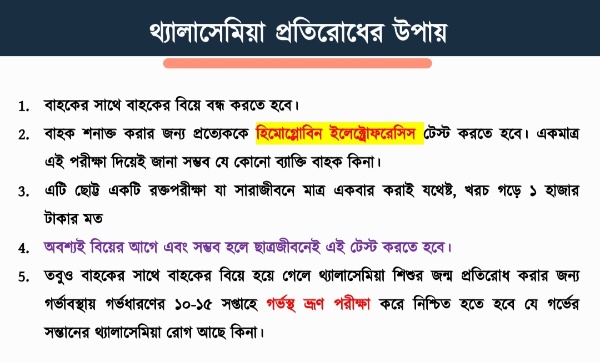
Thalassemia is 100% preventable. There are two ways to prevent the birth of children with thalassemia disease:
i) Preventing marriage between two thalassemia carriers, after knowing whether or not someone is a carrier through a blood test (Hemoglobin Electrophoresis) before marriage, known as premarital screening. Carriers carry the thalassemia gene silently and do not show any symptoms. The Hemoglobin Electrophoresis test is enough to be done once in a lifetime and only this test can diagnose thalassemia carriers.
(ii) In the case of two carrier parents, the affected child’s birth can be prevented by screening the fetus for thalassemia, known as prenatal screening. Its purpose is to legally carry out an abortion on the advice of a doctor if the unborn child is diagnosed with thalassemia disease.
About BTPWA
Leading the Fight Against Thalassemia in Bangladesh
The Bangladesh Thalassemia Patients and Parents’ Welfare Association (BTPWA), formerly We Are Not Alone (WANA), is a voluntary, non-profit organization run by patients and families. We work to ensure safe blood transfusions, access to medicines, mental health support for patients, and arrange awareness campaigns to educate everyone about thalassemia so that together we can prevent it. We want:
Every contribution you make helps thalassemia patients live healthier, more dignified lives. Your donations directly support vital areas of medical care, nutrition, shelter, and education.
Blood
Patients need safe blood transfusion every month. One unit of blood with filter cost more than 2,000 taka.
Medicine
Iron chelating drugs are costly. A patient with iron overload needs minimum 6,000 taka's medicines each month.
Lab test
Regular follow-up tests are needed, that cost at least 1,000 taka monthly and 5,000 taka in every 3 months.
Prevention
Organizing an awareness workshop in an institution requires a budget of around 60,000 taka at least.
Blood transfusion is the main treatment for thalassemia patients
For patients with moderate to severe thalassemia, blood transfusions are a life-saving necessity and the cornerstone of treatment. Nearly two-thirds of the thalassemia patients require one to four bags of blood every month.
0%
Blood availability
About 41% of blood centers at the district level have
insufficient blood supply
0%
Blood affordability
81% thalassemia parents face difficulty in managing blood donors regularly
Prevention is the only measure that can drastically reduce the incidences of severe thalassemias
~ Thalassemia International Federation
Know the facts
Burden of Thalassemia in Bangladesh
Thalassemia is spreading like a silent epidemic in the country due to the lack of awareness, but still, a proper action plan to prevent thalassemia is absent. We urge for a comprehensive and effective national prevention strategy tailored to the unique socieconomic and cultural context of Bangladesh.
0K
Monthly treatment cost
More than 18,000 BDT (~150 USD) is needed every month to treat a thalassemia patient, this is 13% of the patient’s family income on an average.
0M
thalassemia carriers
17-22 million thalassemia carriers in Bangladesh among 160 million population, which means 10-13% people are carriers. This rate is the 2nd highest in the world.
Support Us
Your Help Brings Hope to Thalassemia Patients
Every donation, big or small, helps provide blood, medicines, shelter for patients and families in need and arrange awareness programs all over Bangladesh. You can also join us as a member, volunteer, or blood donor. Together, we can prevent thalassemia and make the patients lives better.
The Bangladesh Thalassemia Patients and Parents’ Welfare Association is powered by patients or their parents, who share one vision — a thalassemia-free Bangladesh.
BTPWA is a voluntary, non-profit organization run by thalassemia patients and their parents, working to support people with thalassemia in Bangladesh and raise awareness to prevent thalassemia.
Thalassemia is a genetic blood disorder which can result in severe health complications if not managed properly. Each year many children in Bangladesh are born with thalassemia — a preventable blood disorder.
Donations can be made to support: medical care (blood transfusions, medicines), nutrition, shelter, education, awareness programmes and other patient support services.
Yes, volunteering is encouraged. On the website visitors are invited to “Join as Volunteer”. You can contact BTPWA via their contact details for more information.
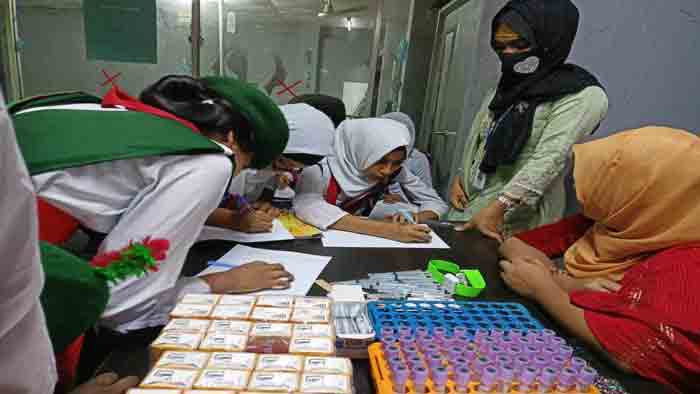
Yes — the organisation runs awareness campaigns, carrier screening programmes (to help identify carriers of the gene) and outreach via schools, colleges and community events.
Some reasons offered by BTPWA: They emphasise building meaningful relationships, working directly with patients, families, volunteers and doctors, and strive for inclusion and dignity for thalassemia sufferers.
The organisation’s vision is a thalassemia-free Bangladesh, ensuring that no thalassemia patient feels alone and everyone has access to care, inclusion and a dignified life.